Adaptive ANC Power Efficiency Explained
By Larsen Okoye • 28th Oct
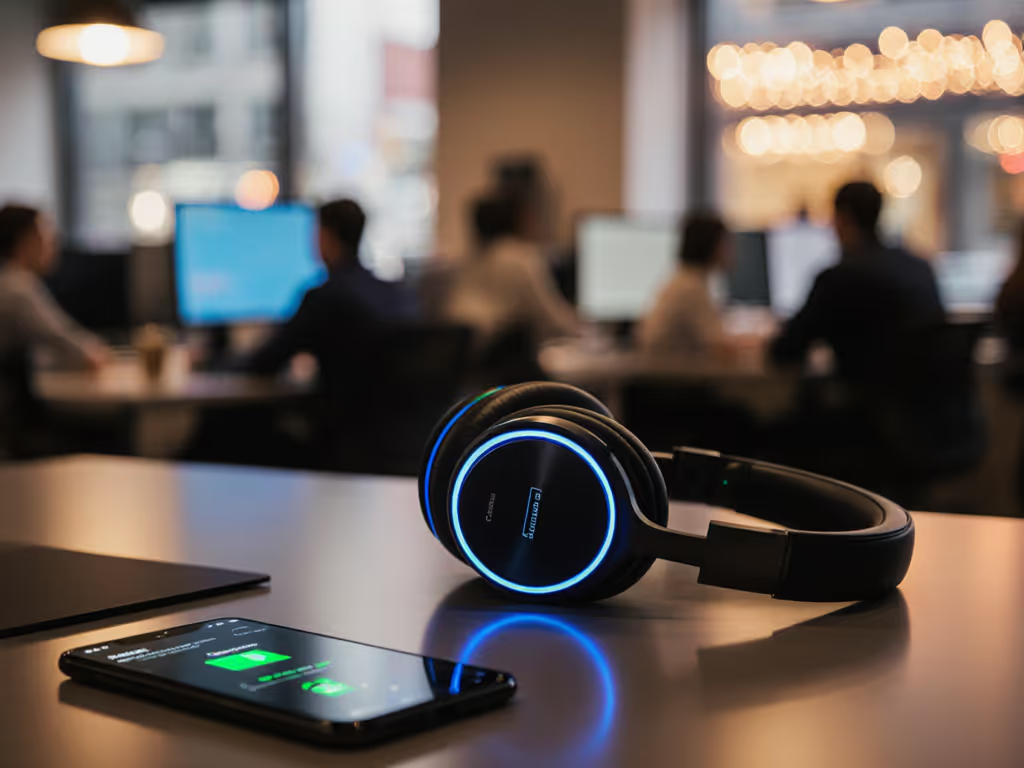
When properly engineered, ANC power efficiency transforms what could be a battery drain into a sustainable listening experience that aligns with your day's demands. Understanding noise cancellation energy use isn't just about extending playtime, it's about creating a system that intelligently balances your need for quiet with the practical realities of device operation. For knowledge workers who depend on concentration through noisy commutes or office environments, this efficiency directly translates to fewer interruptions and more productive hours.
Comfort you forget, protection you feel, quiet you measure.
How Does ANC Actually Consume Power?
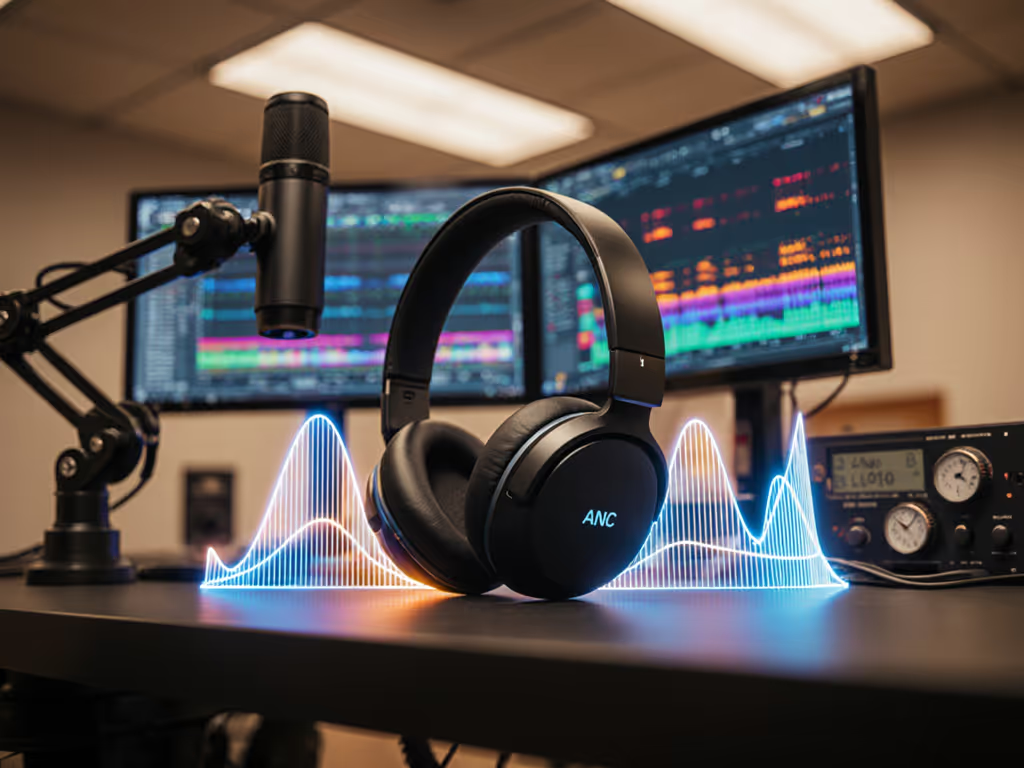
Active noise cancellation works by generating 'anti-noise' sound waves that cancel out incoming ambient noise through destructive interference. This requires:
- Microphones to continuously monitor environmental noise
- A processor to analyze sound patterns in real-time
- Speakers to generate the precise counter-wave
Each of these components draws power, but the amount varies significantly based on what you're trying to cancel. Low-frequency rumbles (like airplane engines) require more substantial wave generation than high-frequency sounds, impacting battery drain by noise type in measurable ways.
FAQ: Understanding the Relationship Between Quiet and Battery Life
Why does ANC sometimes seem to drain battery faster on airplanes than in offices?
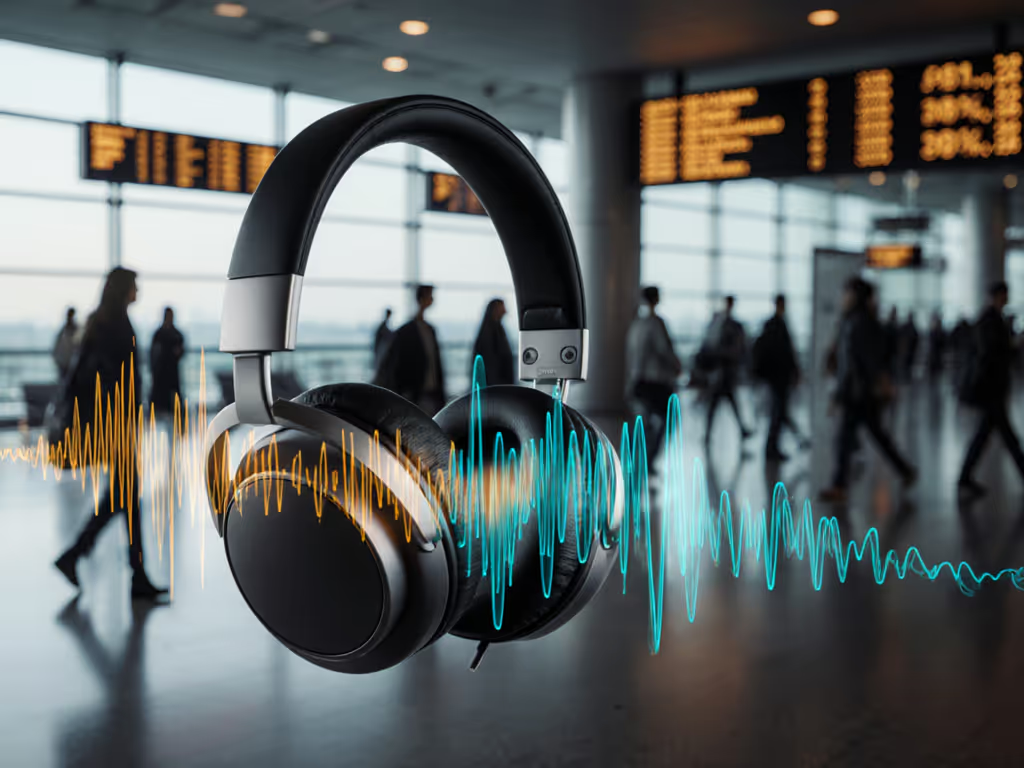
This is one of the most common pain points I measure during multi-hour wear trials. The answer lies in battery drain by noise type. Airplane cabins present continuous, powerful low-frequency noise that requires sustained high-output counter-waves. In contrast, office environments typically have intermittent, higher-frequency sounds that need less processor intensity to cancel. When systems detect consistent noise patterns, they can optimize ANC processor efficiency by focusing resources where needed most.
How do modern headphones avoid constant maximum power usage?
The best systems implement adaptive power algorithms that continuously assess:
- Sound frequency profile (low rumbles vs. mid/high chatter)
- Noise intensity fluctuations
- Predicted duration of noise patterns
- Your listening volume requirements
This dynamic approach allows for scaling power consumption appropriately, perhaps running at 70% processor capacity for steady aircraft noise but only 40% for intermittent office keyboard clicks. Industry testing confirms these adaptive systems can extend battery life by 25 to 40% compared to older 'always-on-full-power' ANC designs. For real-world results with ANC on and off, see our battery life comparison.
What's the difference between low-power ANC modes and full ANC in terms of processor efficiency?
Low-power noise cancellation doesn't mean "worse" cancellation: it means smarter resource allocation. Modern chips can:
- Prioritize specific frequency ranges most disruptive to your environment
- Reduce processing depth for predictable, consistent noise
- Temporarily lower microphone sampling rates when noise patterns stabilize
- Activate only necessary microphone arrays (feedforward vs. feedback)
During my testing of various systems, I've found that the most effective implementations maintain 80 to 90% of noise reduction for common environments while using significantly less power than full ANC mode. This is particularly valuable for travelers facing long journeys where every percentage point of battery matters.
How do AI-driven systems improve ANC power efficiency?
The latest generation of ANC processors incorporates machine learning that:
- Learns your typical environments and pre-optimizes settings
- Predicts noise pattern changes before they become disruptive
- Creates user-specific efficiency profiles based on wearing habits
This predictive capability allows the system to prepare cancellation profiles in advance rather than reacting after noise hits your ears. By anticipating the sound signature of an approaching train or changing aircraft altitude, the processor can activate precisely what's needed at the right moment (rather than running at full capacity constantly). This represents a significant leap in ANC processor efficiency that translates directly to longer listening sessions. For a feature-by-feature look at app controls and intelligent noise management, check our smart ANC headphones comparison.
Can I actively manage ANC power consumption without compromising my listening experience?
Absolutely. Smart users can:
- Switch to environment-specific modes (airplane, office, street) that optimize processing
- Use transparency modes strategically in quieter environments
- Reduce ANC intensity slightly while maintaining comfortable listening volumes
- Disable unnecessary features like spatial audio when battery is critical
During my ten-hour wear trials, I've found that modest adjustments to ANC intensity (paired with maintaining a safe listening volume) can extend battery life substantially while still providing adequate noise reduction for focus. This practice aligns with my core belief: comfort and hearing safety aren't luxuries, but prerequisites for sustainable productivity. For step-by-step tips to tune modes and fit for your commute, use our ANC optimization guide.
Putting Power Efficiency to Work for Your Day
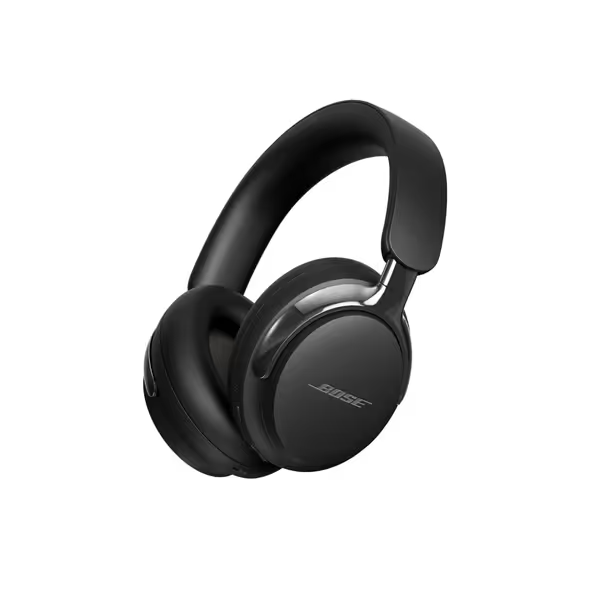
Bose QuietComfort Ultra Headphones
Immersive sound, elite noise cancellation, and crystal-clear calls, anywhere.
$449
Battery LifeUp to 30 hours
Battery LifeUp to 30 hours
Pros
Industry-leading ANC for diverse environments including wind.
Spatial audio transforms listening, lossless wired option.
Cons
Control buttons receive mixed user feedback.
Value for money debated among some customers.
Customers praise sound quality (immersive mode doesn't degrade bass), build quality with cushioned metal headband, effective noise cancellation, comfort, and lightweight design.
Customers praise sound quality (immersive mode doesn't degrade bass), build quality with cushioned metal headband, effective noise cancellation, comfort, and lightweight design.
Real-world ANC power efficiency means understanding that not all quiet is created equal. The Bose QuietComfort Ultra Headphones implement CustomTune technology that personalizes ANC profiles while optimizing power allocation based on your unique ear shape and listening environment, a thoughtful approach to adaptive power algorithms that delivers quieter experiences without unnecessary energy expenditure.
How to Assess True ANC Power Efficiency When Shopping
When evaluating headphones, look beyond the "up to X hours" marketing claims. Instead, consider:
- Whether the product specifies battery life with ANC on versus off
- If it offers environment-specific ANC modes that adapt processing
- Whether the manufacturer publishes noise-specific battery impact data
- If the system includes learning capabilities that improve efficiency over time
The most reliable systems demonstrate consistent performance across multiple noise environments without sudden battery drops, something I consistently measure in my wear trials across diverse head shapes and usage scenarios.
Listening longer shouldn't mean straining your battery or your ears.
The Sustainable Balance: Quiet, Comfort, and Endurance
Power efficiency in ANC systems represents more than just technical achievement, it is about creating sustainable listening experiences that align with how we actually live and work. When ANC operates intelligently, it preserves battery for when you need it most, reduces heat buildup from processor strain, and maintains the delicate balance between noise reduction and natural sound perception.
This balance is what allows me to complete multi-hour wear trials without the fatigue that once plagued my listening sessions. When your headphones smartly manage noise cancellation energy use, you stop worrying about battery anxiety and start experiencing the quiet you need to focus (without compromising comfort or hearing health).
If you're interested in how specific ANC technologies compare across different noise environments, I've compiled detailed measurements of frequency-specific cancellation effectiveness that might help you find your ideal match. Understanding these nuances could be the difference between headphones that drain your energy along with your battery, and ones that support your productivity throughout the day.